
 EN
EN



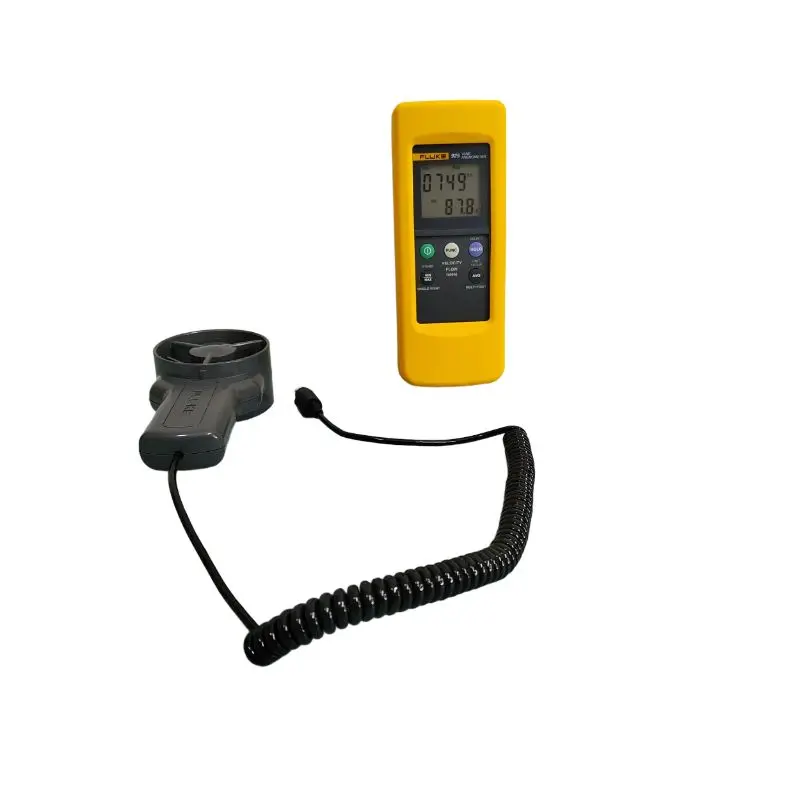
The Essential User Guide to Operating Handheld Anemometers Correctly
At first, it may seem challenging to operate a handheld anemometer and, unless the right protocols are put in place, cause measurement errors leading to inaccurate readings. HOBOY Manufacturer is here to walk you through it and show you the correct techniques that can be implemented to properly operate your handheld anemometer and avoid some of the mistakes that may occur, interfering with your measurements. The steps to take when using handheld anemometers include: Ensure that the handheld anemometer remains aligned and leveled while conducting the measurements. Ensure that the anemometer is aimed directly at the wind source. Refrain from moving the anemometer too quickly as readings may be inconsistent. Regularly calibrating the handheld anemometer. By incorporating the above steps, you will work the handheld anemometer correctly and obtain wind speeds you can rely on. Protocol constructions that can help in preventing measurement errors: One of the errors to avoid is taking measurements too close to some large buildings, or structures, causing wind turbulence. Wind turbulence may interfere with the accuracy of the readings obtained. Hence it is crucial to find an open place without any obstructions airflow to facilitate accurate readings. Take note of any trees or hills that may blow the wind off course and interfere with reliable readings. By adopting these protocols and positioning some open place to take your measurements, you will minimize errors. Whole guide to shopping for handheld anemometers.
A Buyer’s Guide to Handheld Anemometers
If you’re in the market to buy a handheld anemometer, here’s what you need to know to make sure that you purchase the product that best meets your needs. First let's look at the precision of the anemometer itself. Search for models with good accuracy to prevent mistakes in measurement. Also consider the longevity of your model. You need a handheld anemometer that needs to be tough and durable, so you can use it for months, if not years. Last but not least, consider the features of the anemometer. Search for models with many features, including measuring wind speed and temperature to maximize the use of your device. But keep in mind you need a solid handheld anemometer if you want to avoid problems down the road.
Avoidable Errors When Using a Hand-Held Anemometer
There are several things people tend to get wrong when it comes to using a hand-held anemometer. Not holding the device correctly is one of the most common errors. Hold the anemometer as still and level as possible in your hand, to get a clean reading. Not calibrating the instrument properly is another common error. Calibrate your anemometer before every use for precise readings. Moreover, don't employ the anemometer in the unfavorable test conditions since this would cause errors to measurement result. Being aware of these common pitfalls allows you to measure more accurately.
Beginners Guide for Using Handheld Anemometer
Even if you are new to using handheld anemometers, there is some advice to remember that can help make the process easier. For starters, know the various features of your device. Spend some time reading user reviews and instructions so you know how to operate the anemometer before making any critical measurements. Also, make sure to measure in a clear area where nothing can impede the wind. And lastly, if you’re not 100% sure how to correctly handle the anemometer, don’t hesitate ever not asking for help. Read these tips and be sure you don't make any measurement mistakes when using your handheld anemometer!

