
 EN
EN



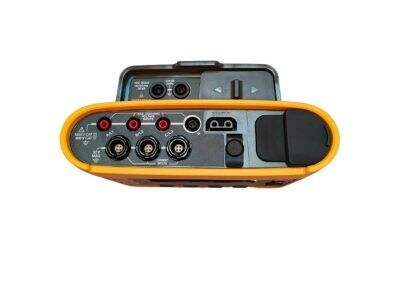
Handheld Anemometer “HOBOY model” If you want to use a handheld anemometer such as the “HOBOY model”, some issues related to its performance under turboprop aircraft condition were observed. Knowing about these potential problems, and knowing how to correct them by yourself can help you get a longer use out of your awesome device. Below are a few options that you may not have considered to help keep your handheld anemometer running smoothly and some tips for getting out of the gate quickly.
Troubleshooting Common Handheld Anemometer Problems
Another issue with portable anemometers is the lack of accuracy. There are many causes that may contribute to it including calibration shifts, vibrations Air bearing spikes etc. One possible thing to do when you notice this: ensure your handheld anemometer is properly calibrated. Ensure that it is correctly calibrated in line with the instructions of the manufacturer. If calibration is good, then you might try to clean the sensors in case it was dirty with some normal dust or filament. Also take into account the local environment's effect on your readings. Wind obstructions or structures can cause turbulence and have an impact on the accuracy of your anemometer. By resolving these concerns, you can enhance the accuracy of your readings and maximize what your device has to offer.
Slow response time is another issue associated with all handheld anemometers. This can be aggravating if you want the wind speed and direction in real time. And there are also settings or the configurations of your industrial anemometer that it's setting time can be adjusted to make its response faster. Test if there is any blockage of the response due the timing delay in transmission and processing. Also, be certain that the anemometer is located where it has a clear flow of air in order to obtain accurate and reliable readings. Through optimizing your settings and placement of the device, you can decrease this response time and receive a more immediate report on wind facts.
Practice These Troubleshooting Tips on Your Handheld Anemometer
With that, you are ready to troubleshoot your handheld anemometers for the most common issues and improve its functionality so when it comes time to make a measurement, you will get the results you were expecting.
Where Can I Locate Dependable Anemometer Diagnostic Manuals?
When you are having problems with the handheld anemometer, read the user’s manual that comes with it first. There are usually trouble-shooting tips for your type of anemometer in the manual. If you can’t locate the manual or could use some more advanced assistance, also look for resources available on the manufacturer’s website. A lot of businesses ociated with HOBOY provide you with problem solving help on the web and FAQ’s as well as customer support if you’ve got an issue.
Handheld Anemometer Maintenance: Tips for Care and Storage:
Regular, correct maintenance is essential to get your hand held anemometer working properly. To maintain your device in top condition, be sure to clean it periodically with a soft, dry cloth to clear any dirt or dust that could be interfering with its accuracy. Do not leave the anemometer in extreme heat or water, which may damage internal components. Also keep the device in a protective case when not in use to stave off any physical damage.

