
 EN
EN



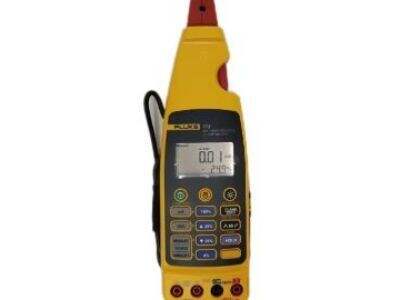
Temperature anemometer is a Must-have Tool when you test those ventilation systems. Single-type anemometers may suffer from drawbacks that can influence the testing accuracy. It is essential to know why temperature anemometers are needed and which ones work best for ventilation system testing.
How Does Using Temperature Anemometers to Measure Airflow
The importance temperature anemometers have for the validity of testing means of ventilation deserves emphasis; 1-3. As both the flow velocity and temperature of air are sampled, such devices supply more information for processing. This two-in-one feature assists in the comprehension of how well different ventilation systems are functioning with the PPE. An example would be a handheld anemometer that can determine if the air being circulated is at the correct temperature, and thus verify that the equipment is operating as expected. Furthermore, since airflow velocity can be measured this gives very fine setting to optimize performance. Without this integrated data provided from a temperature anemometer, there are fundamental insights about the effectiveness of ventilation systems that may be overlooked, and lead to problems in the future.
Temperature Anemometers for Ventilation System Testing
When you need trustworthy thermo anemometer to test your ventilation systems, it only makes sense to purchase from a supplier you can trust – HOBOY. For over a decade and with hundreds of installations in industrial manufacturing, HOBOY brings to you the finest line-up of high temperature anemometer devices for testing ventilation systems. Designed for the harshest industrial environments, flow meters measure difficult-to-monitor electrical signals with ease. With HOBOY temperature anemometers businesses can trust that test their ventilation system was accurate, reliable and for more than just the last 6-12 months. And the dedication to quality and customer service from HOBOY ensures they are a reliable resource for all of your ventilation system testing requirements.
Type Anemometers used in Ventilation Applications
A single-type anemometer may raise several problems when it is applied for validation of a ventilation system. Single-type anemometers are capable of counting the air flow velocity, but they cannot measure other necessary conditions including temperature. This will cause unreadable readings and the data it produces cannot be relied upon. Moreover, it may not possible to carry out a full analysis of the performance of the ventilation system using only one type of anemometer as they do not measure airflow that has been calibrated for temperature.
Why Temperature Anemometers Are Crucial for Testing Ventilation Systems
They are indispensable for accurate and reliable testing of ventilation installations crane anemometer on the other hand, for instance, care. Temperature anemometers offer dual measurement of both air flow speed and temperature so that more complete system performance analysis can be carried out. This enables the quality of air, comfort and energy efficiency to be more accurately determined. Turn the dial over to temperature anemometers, which also can detect problems like inefficient airflow distribution, air leaks and equipment failure.
Best Temperature Anemometers for HVAC Testing
When deciding on the correct temperature anemometer for ventilation system testing, HOBOY has various offerings of excellent quality products suited to suit professionals in the industry. Temperature Anemometer is a great option for testing ventilation systems, offering precise airflow-velocity and temperature measurements. Easy to set-up and rugged, the HOBOY Temperature Anemometer provides a wind direction indicator for cross ventilation tests and a convenient tool for helping you balance air systems.

