 ×
×
Recognizing the significance of precise coating thickness reading
Coat thickness measurement is vital across a wide range of industries. When you're painting something, like a car or a piece of metal, you need to ensure that the paint is the right dry film thickness tester. When it’s thin, it may not act as a barrier to protect the metal below. But painting it too thick can cause it to crack or peel. That’s where employing a mechanical coating thickness gauge is so important.
It is not really that hard to use a mechanical coating thickness gauge! First, you have to check whether the gauge is properly calibrated to get the right measure. Then you just set the gauge on the painted surface and take a reading. That said, be sure to keep the gauge stable and flat on the surface for the best result. Once you have taken a measurement, you can compare it to the recommended plating thickness tester for the type of coating you are working with.
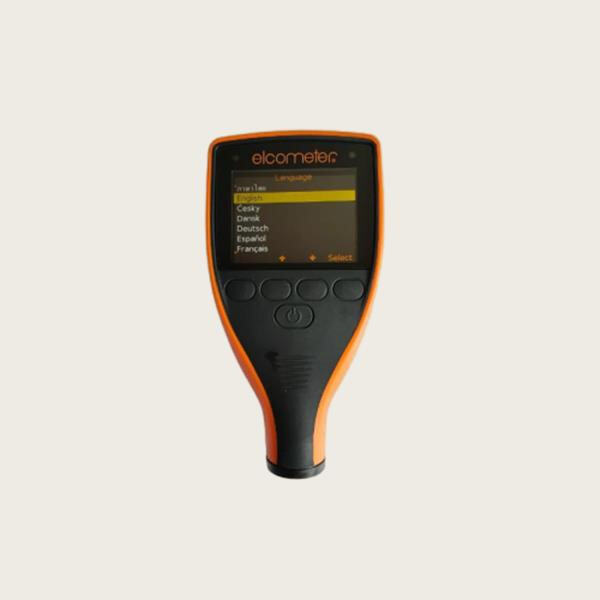
There are various methods for measuring the thickness of a coating, but a mechanical gauge is among the most dependable. Other techniques, such as ultrasonic or magnetic gauges, can be slightly more complicated and costly. Mechanical gauges are easy to use and don’t need any special training. They’re also usually less expensive, which is great for small businesses or DIY projects that won’t break the bank.
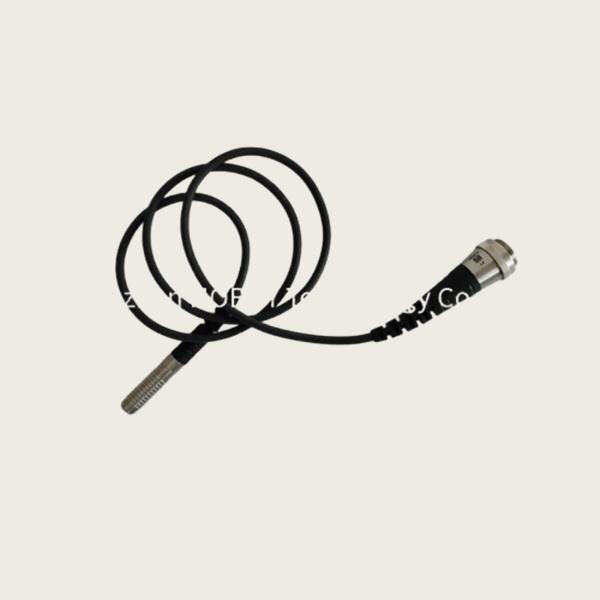
Why Invest in a Good Mechanical Coating Thickness Gauge A great mechanical coating film thickness gauge such as HOBOY can help you save both time and money in the long run. With the right gauge, you can ensure that you always apply your coatings in the correct way, which can help to reduce rework and repairs. And, since a good gauge will last forever with proper care and calibration, you’ll be getting good measurements long after the cost has been forgotten.
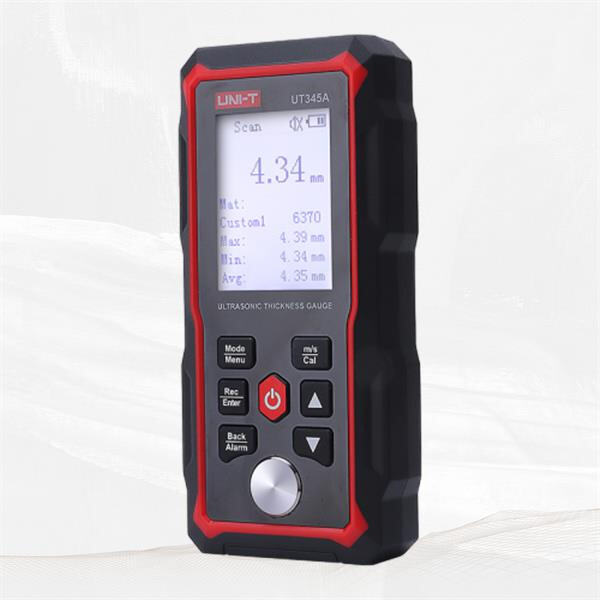
Taking care of it So that your mechanical coating thickness gauge serves you well:_pressure’ can continue doing its work, you need to know how to handle it correctly. Keep the gauge clean so that the dirt and grime does not interfere with the measurements. Don't forget to recalibrate the gage periodically for correct readings! If you ever bungle or drop the gauge, you may want to get it tested, just in case it got knocked out of alignment. By following these easy steps you’ll get the most from your mechanical coating thickness gauge, and maintain your coatings to a high standard.


 EN
EN